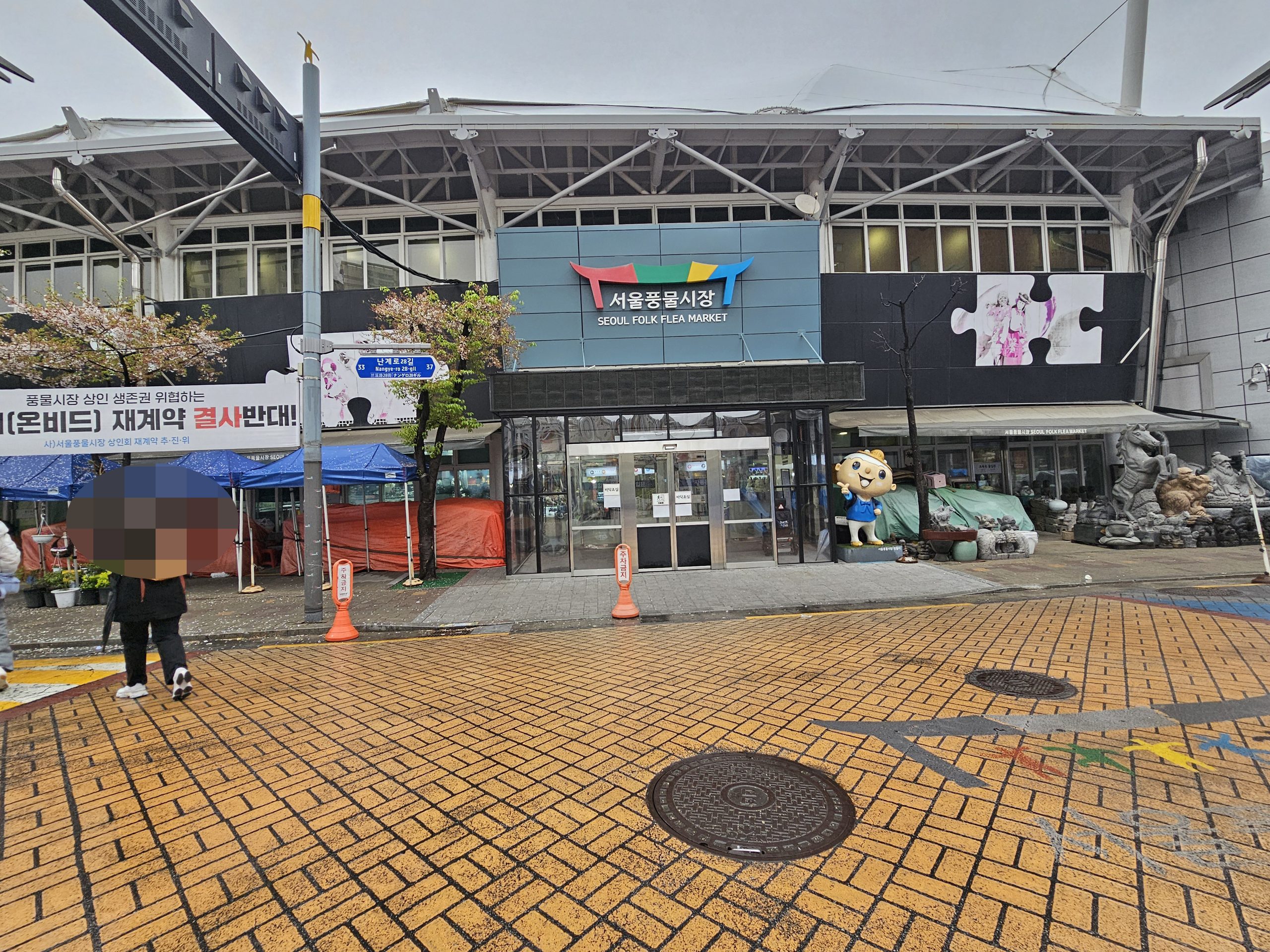
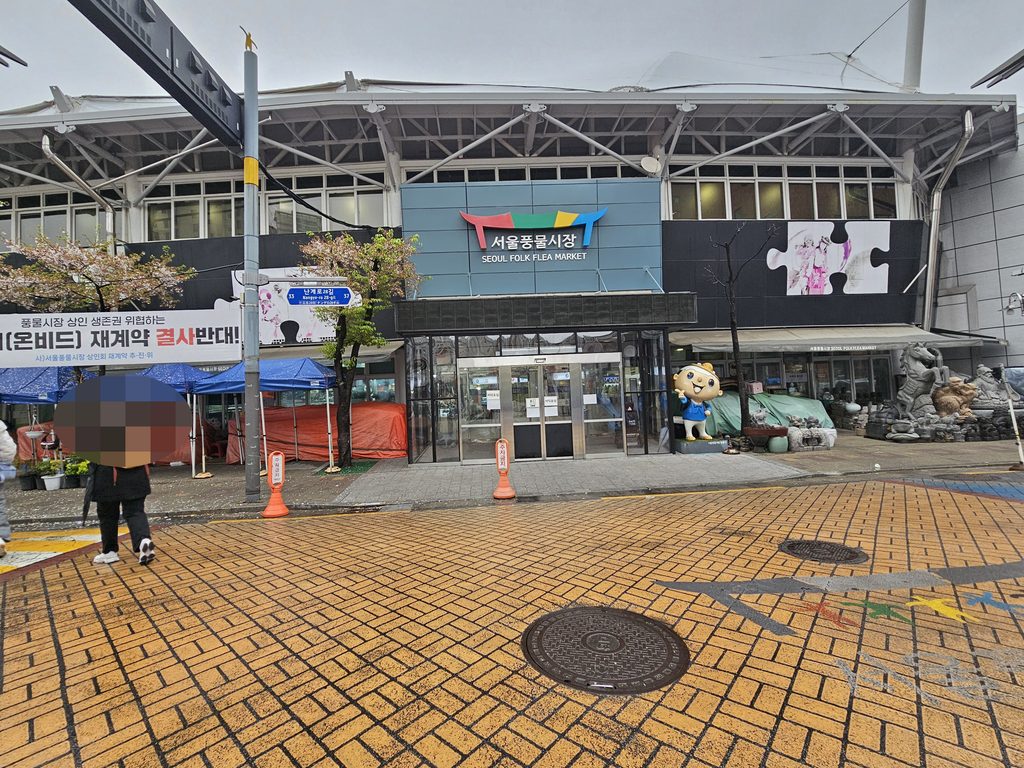
I had some time to spend around Sinseol-dong, so I decided to stop by the Seoul Folk Flea Market (서울풍물시장).
I had visited the market a few times before, but this was the first time I really walked around with the intention of taking photos and looking more closely at what was being sold.
The weather wasn’t particularly great that day. It had been raining earlier, and the sky was still fairly grey when I arrived.
But once I stepped inside, the weather didn’t matter much.
There was plenty to look at.
Old household goods, vintage objects, tools, clothing, antiques, electronics, decorative pieces, and all kinds of things that were difficult to even categorize.
It felt less like walking through a normal shopping mall and more like wandering through decades of everyday life in Seoul.


From Hwanghak-dong to the Seoul Folk Flea Market
The current Seoul Folk Flea Market opened in April 2008, but its roots go much further back.
Before the restoration of Cheonggyecheon, a large flea market had developed around Hwanghak-dong and the Cheonggyecheon area, where merchants sold secondhand goods, antiques, everyday objects, and all kinds of unusual items.
When the Cheonggyecheon restoration project began, many of those merchants moved to Dongdaemun Stadium in 2004.
They had to move again when plans were made to redevelop the stadium area.
Eventually, the merchants settled at the current location in Sinseol-dong, and the Seoul Folk Flea Market officially opened in April 2008. Seoul’s official heritage records describe the market as a continuation of the old Hwanghak-dong flea-market tradition.
That history makes the market a little easier to understand once you start walking around.
It isn’t simply a modern market designed to look old.
Many of the things being sold here reflect Seoul’s long history of secondhand markets and flea-market culture.
What Can You Find at Seoul Folk Flea Market?


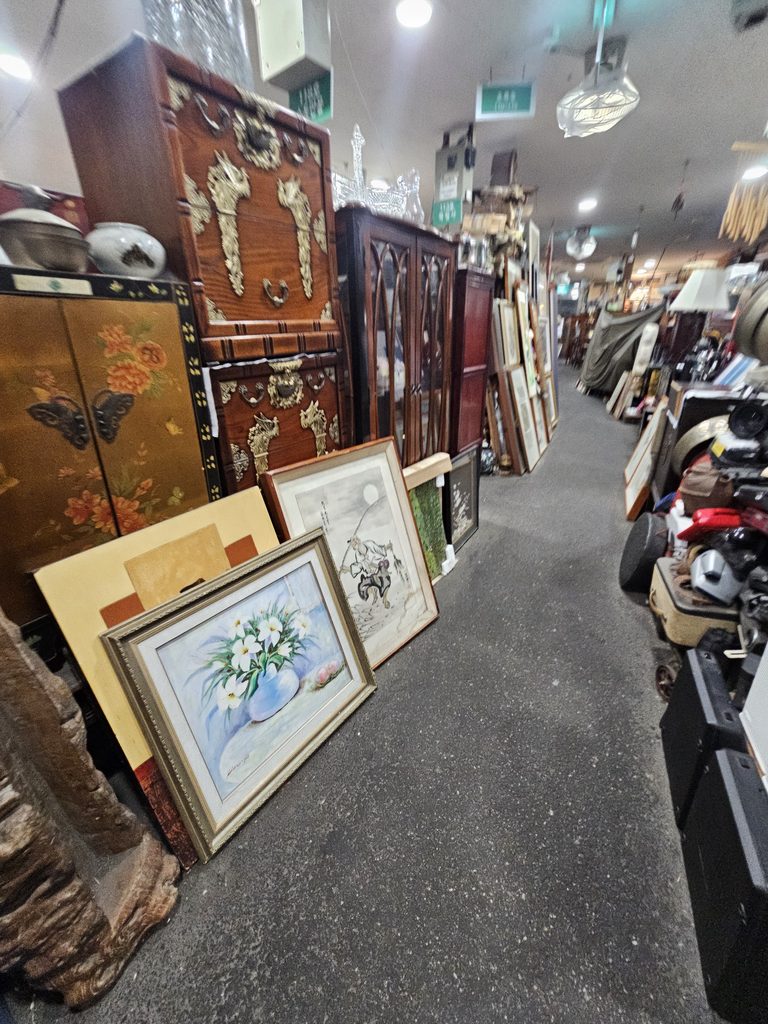
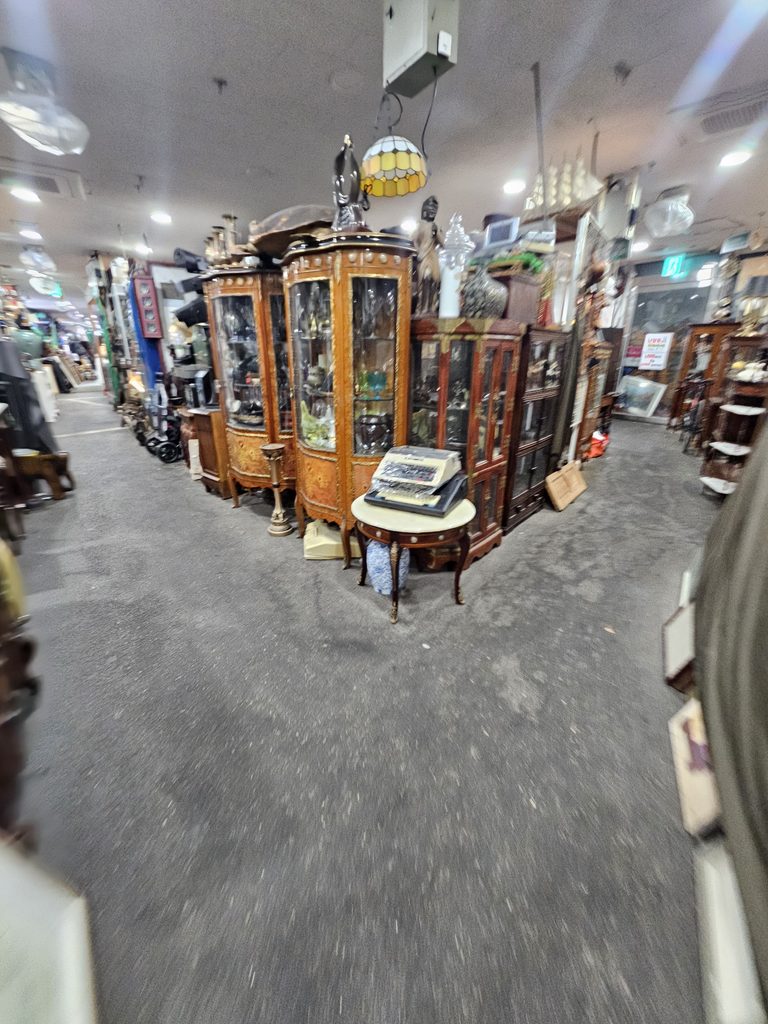
Honestly, almost anything.
That was probably my strongest impression while walking around.
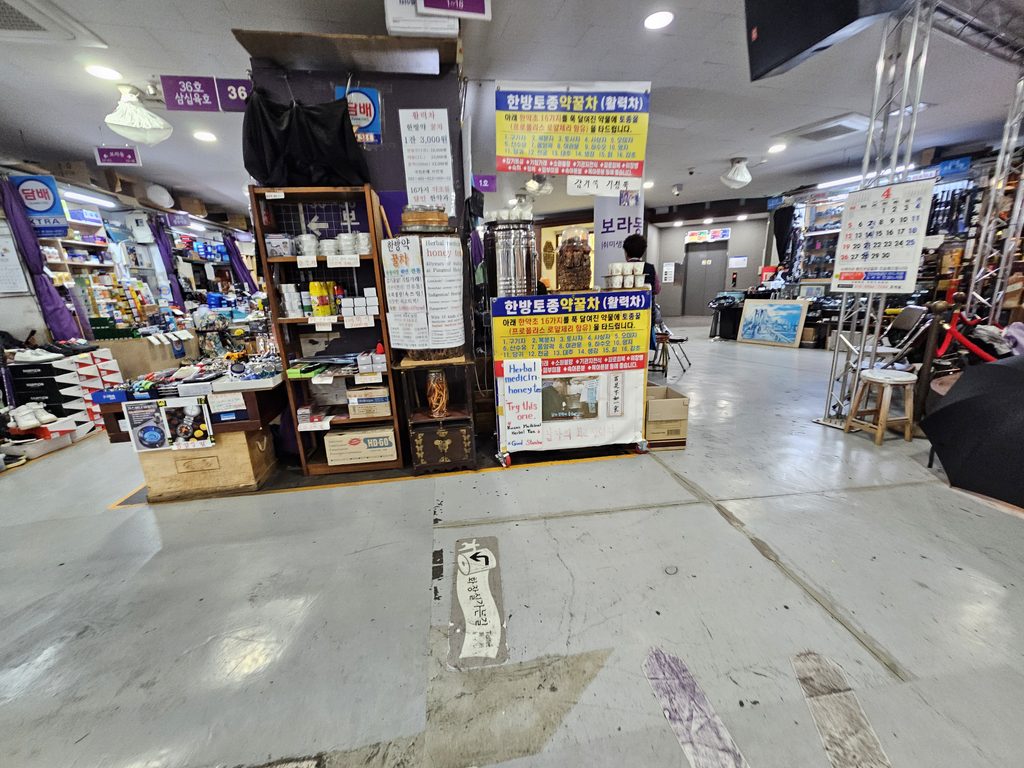
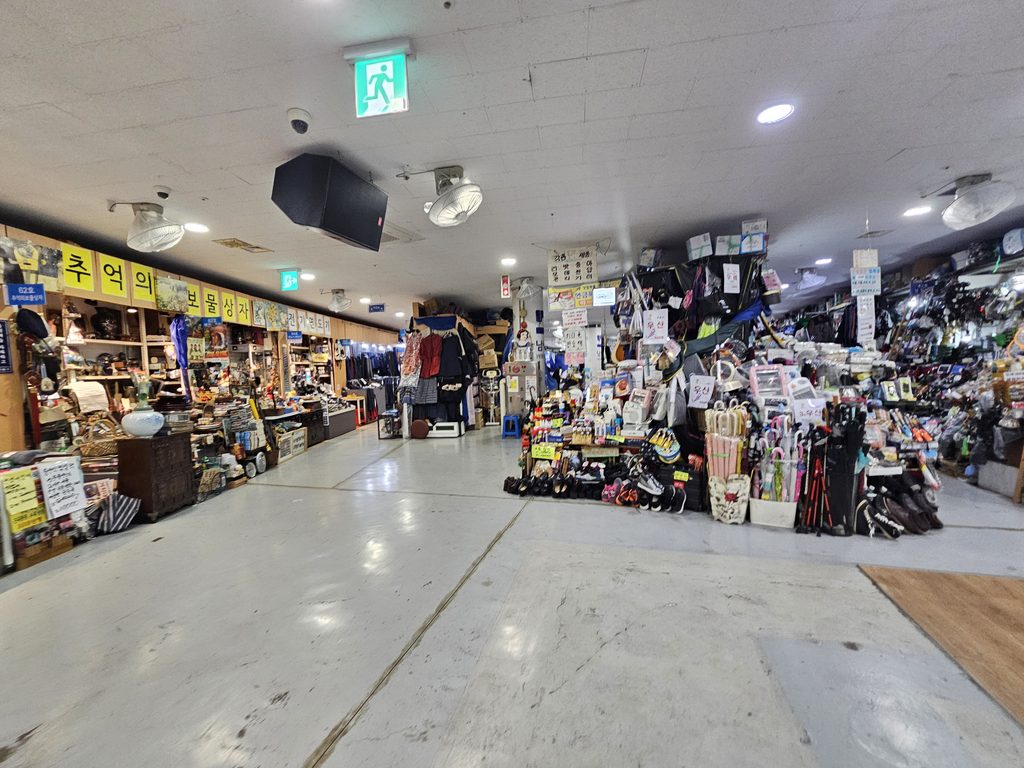
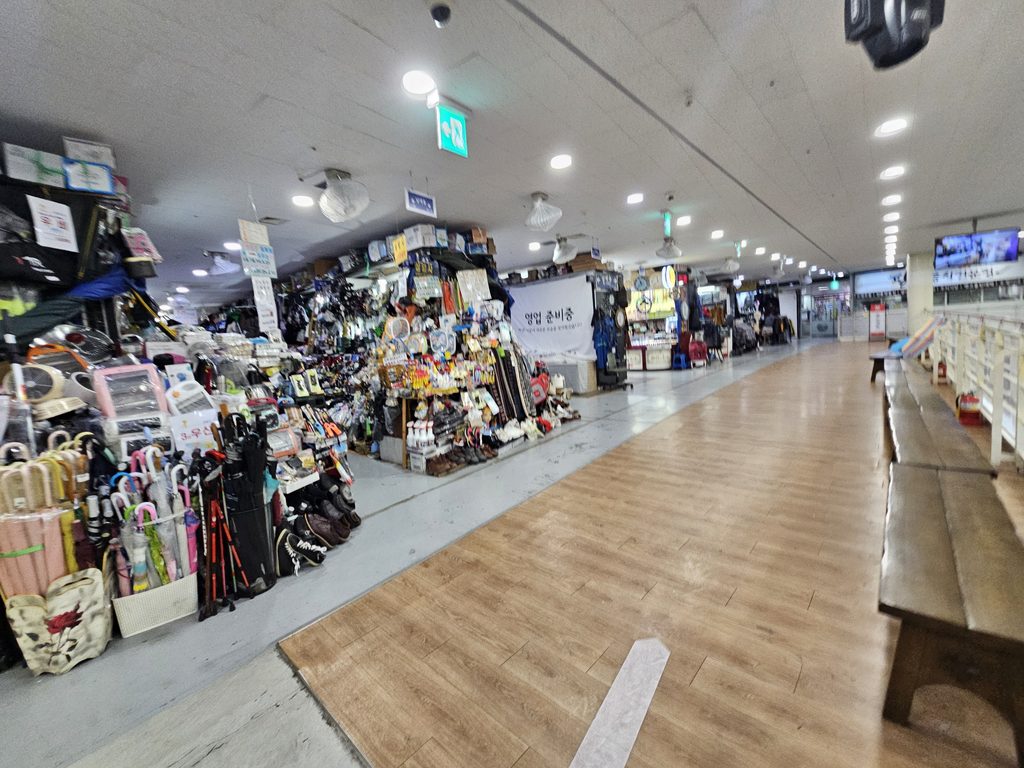
I saw old household goods, tools, decorative objects, electronics, clothing, furniture, collectibles, and plenty of things that I couldn’t immediately identify.
The official Seoul tourism guide divides the market into different color-coded areas depending on what is being sold.
You can find everything from vintage goods and antiques to clothing, accessories, tools, electronics, traditional crafts, and regional products.
But when I was actually walking through the market, I didn’t feel like I needed to follow a strict route.
For me, the fun was simply turning a corner and seeing what appeared next.
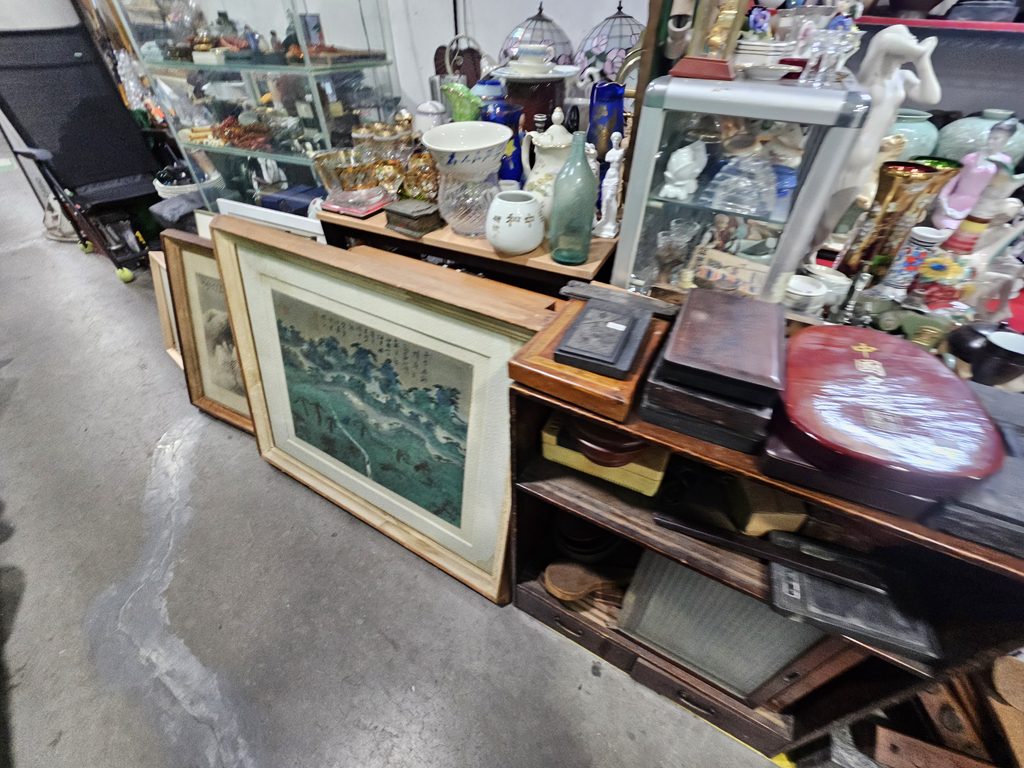
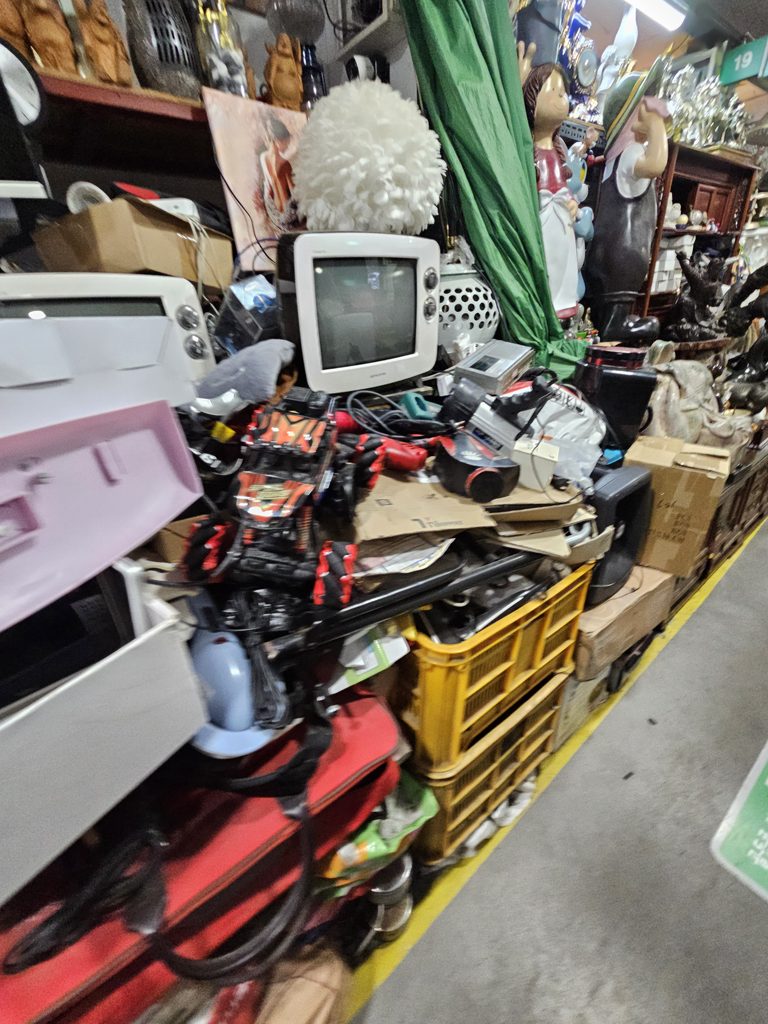
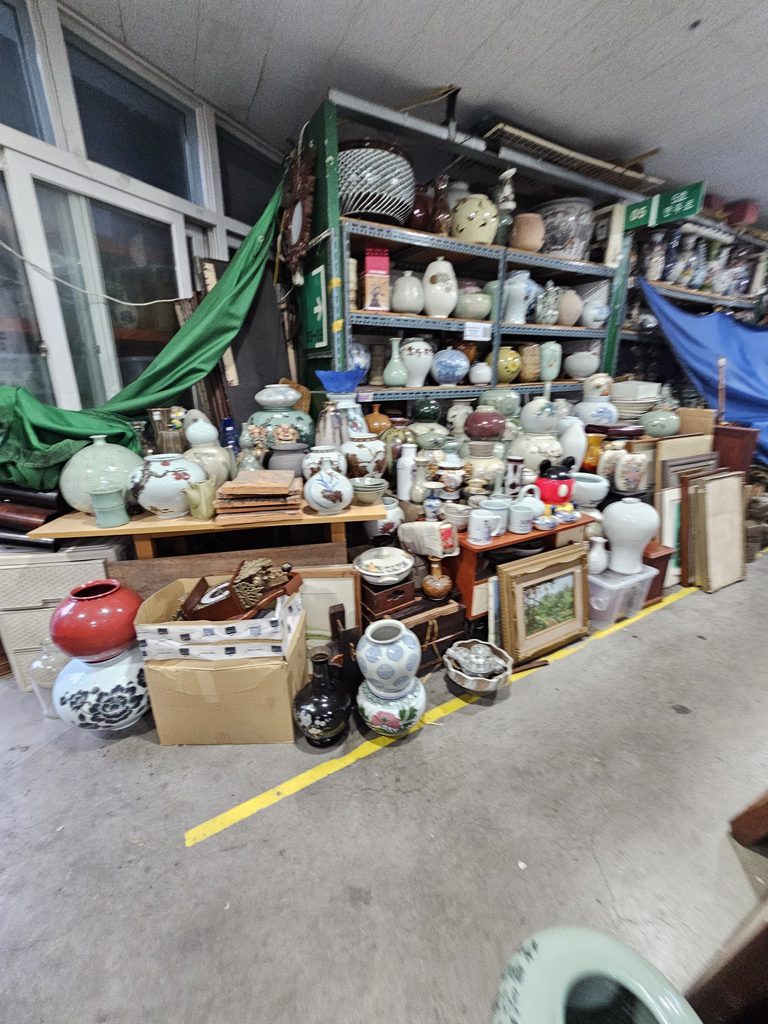


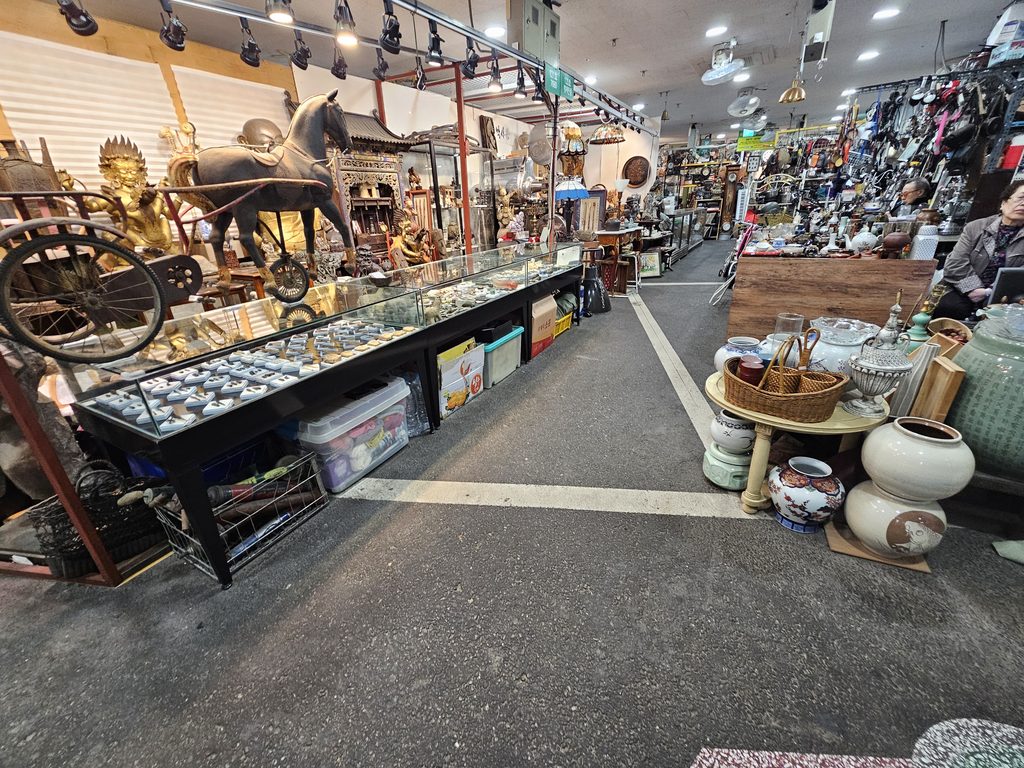


Some objects looked familiar.
Others looked like things I hadn’t seen in years.
And then there were things I had never seen before at all.
That unpredictability is probably the best part of visiting a flea market like this.
The Aisles Can Get Pretty Narrow
One thing I noticed while walking around was that some of the aisles between the shops were fairly narrow.
There were items displayed on both sides, and depending on how busy the market was, there wasn’t always much room to pass.


If you are carrying a large backpack, I’d be a little careful while walking through some sections.
There are a lot of objects packed closely together, and it would be easy to bump into something while turning around.
At the same time, that slightly crowded feeling is also part of the character of the market.
There is a lot packed into a relatively small space.
The First Floor
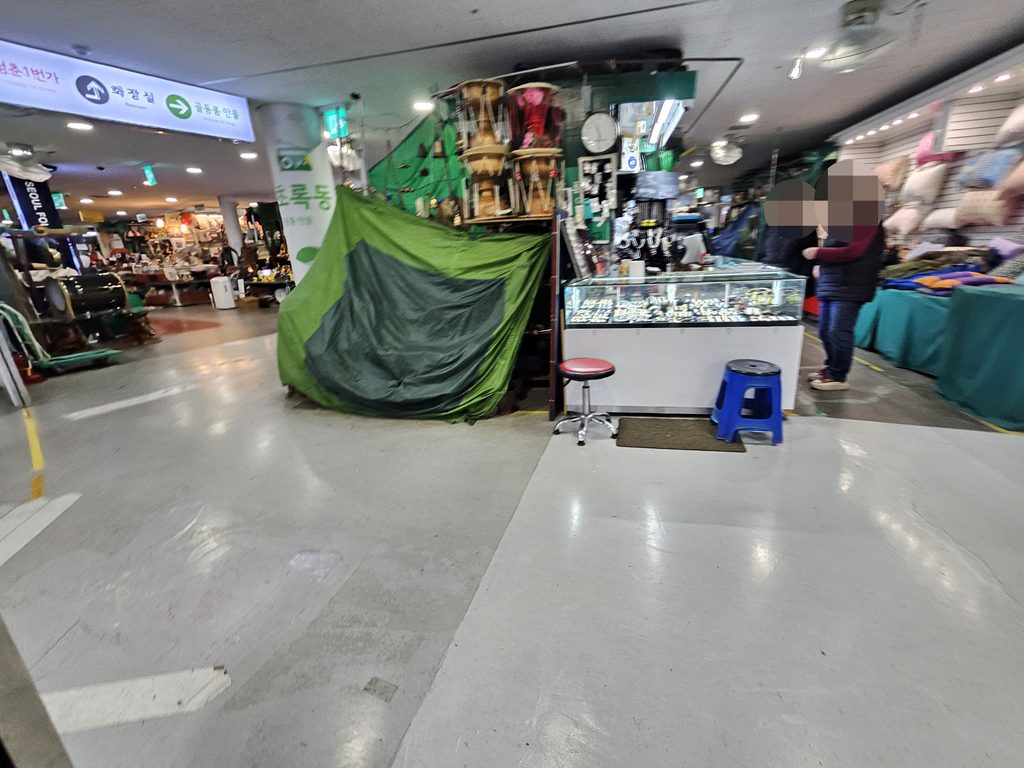
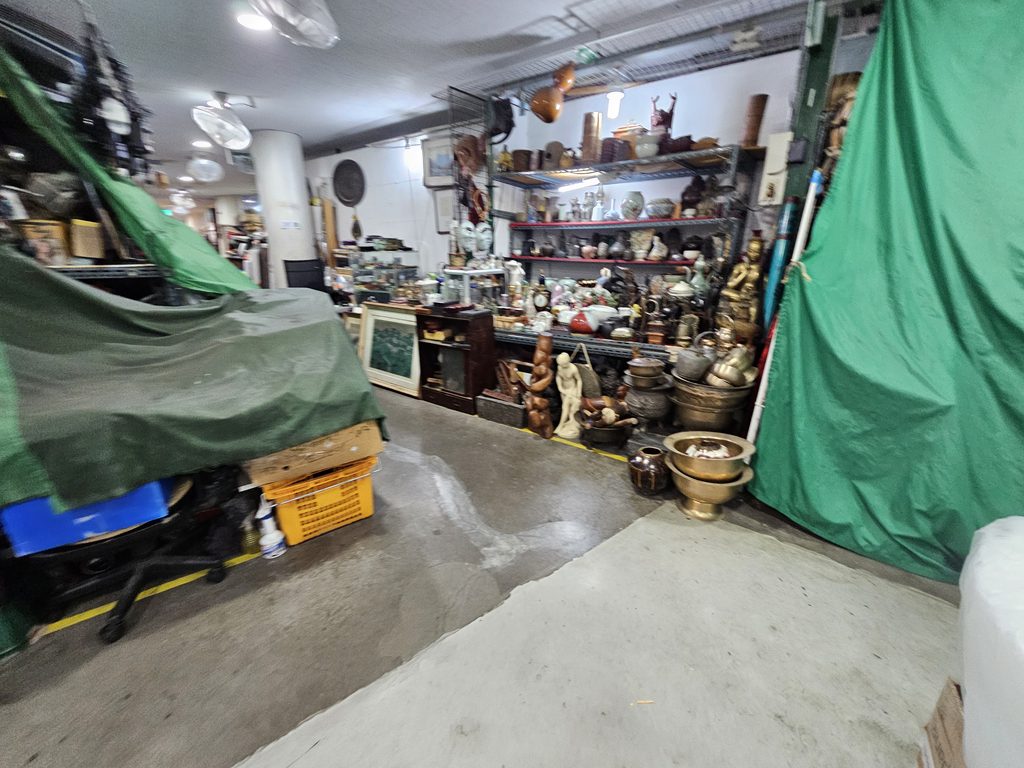


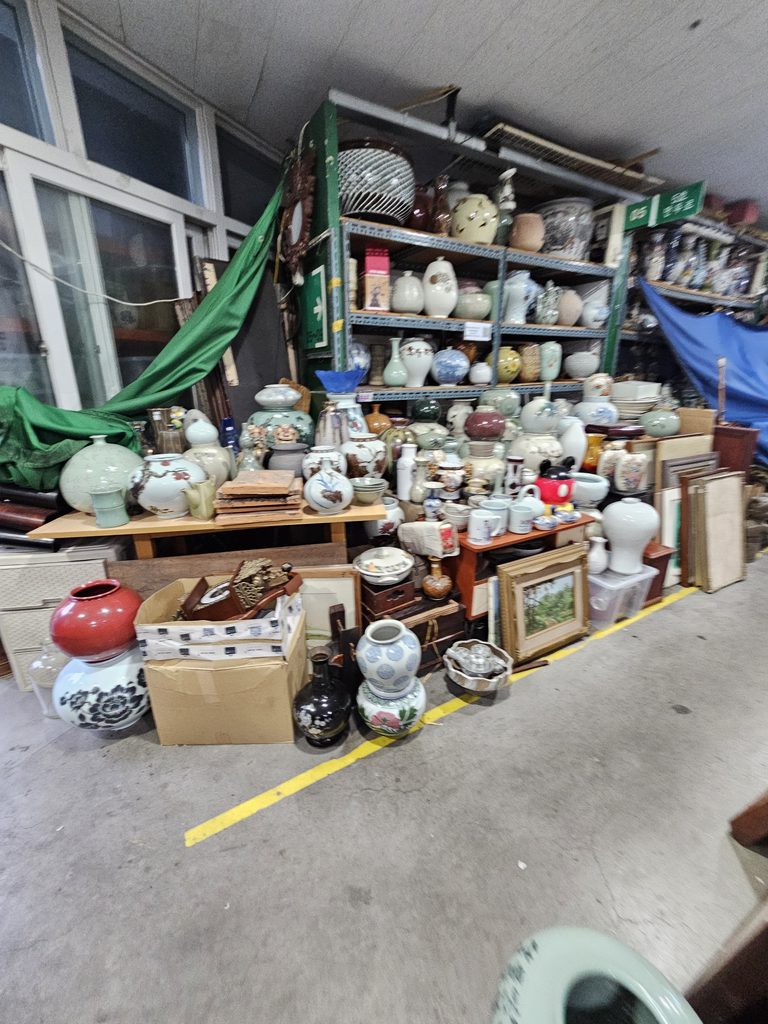
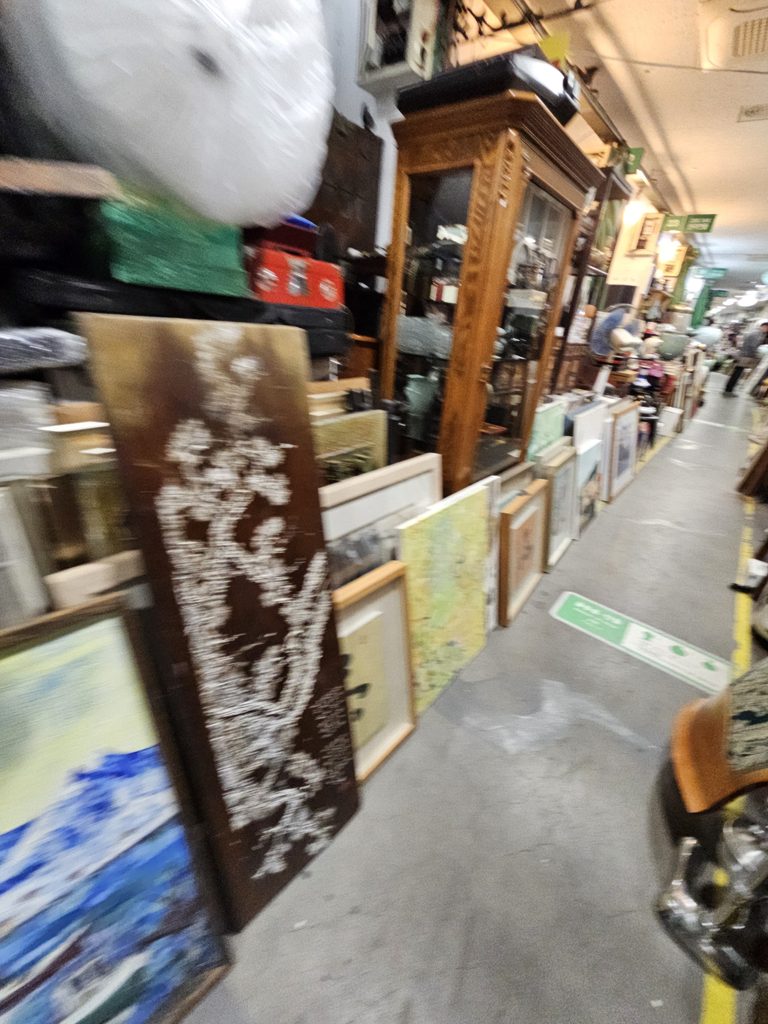


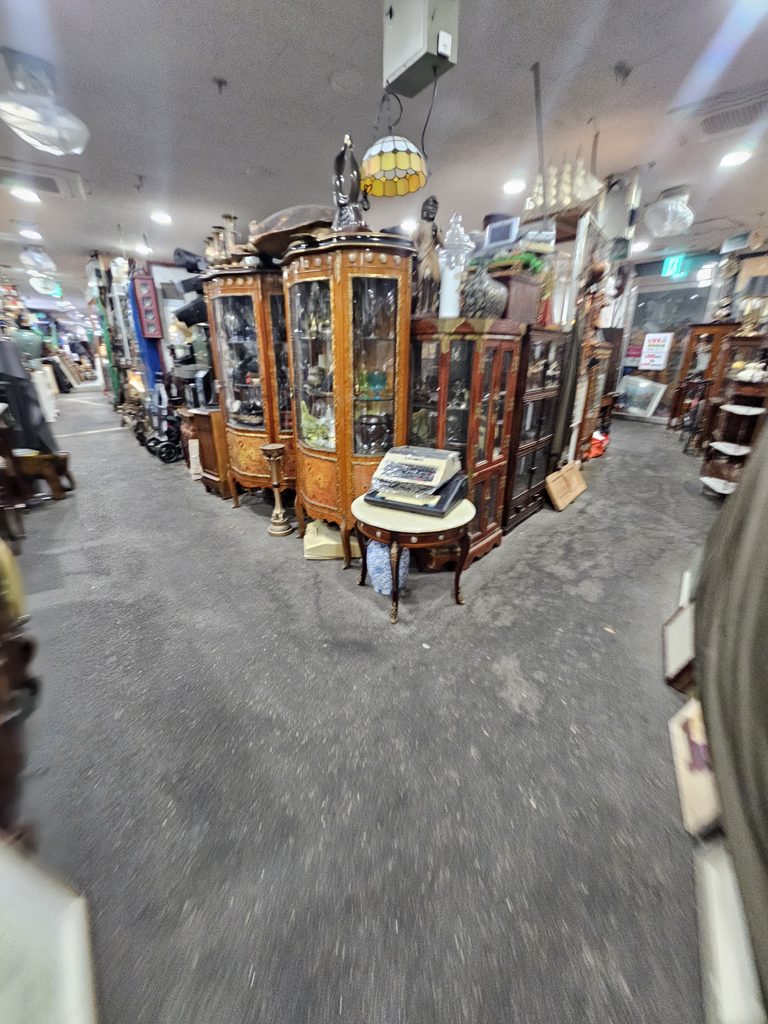

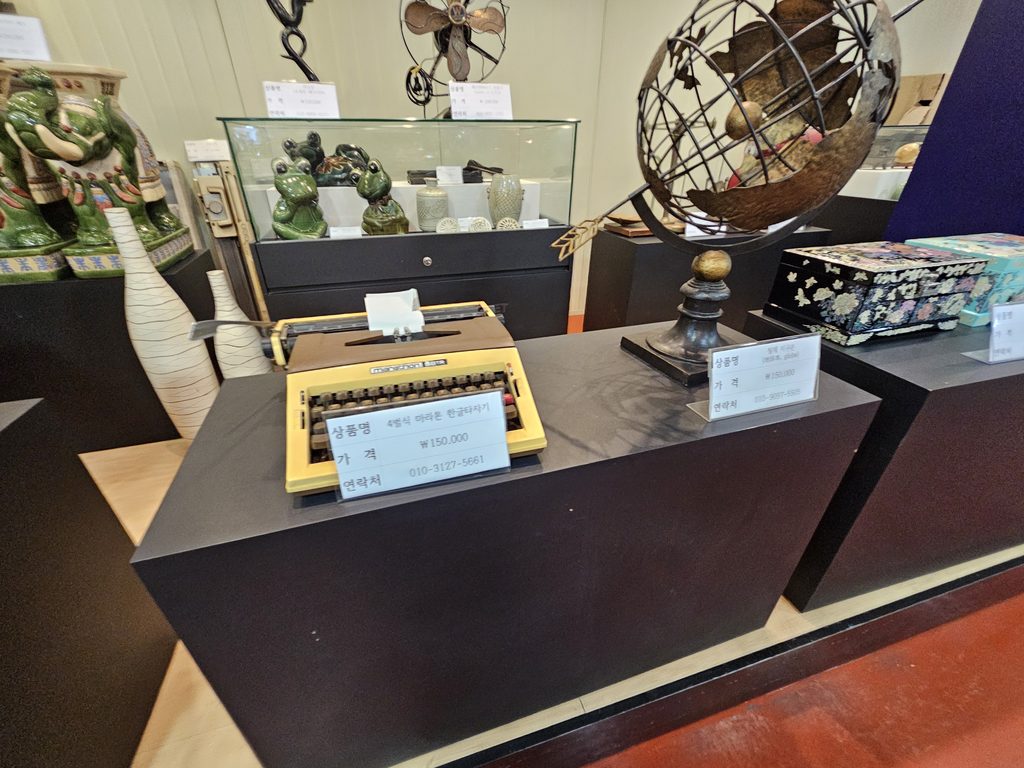
According to Seoul’s official tourism information, the first floor is mainly associated with everyday goods, antiques, clothing, crafts, and miscellaneous secondhand items.
But the variety is so broad that putting everything into a few categories doesn’t really capture it.
You might see an old piece of furniture in one shop, vintage electronics in the next, and then something completely unrelated just a few steps away.
That was what kept me looking around.
There was always something else to see.
Pungmul Radio
On the way upstairs, I came across a small place called Pungmul Radio (풍물라디오).
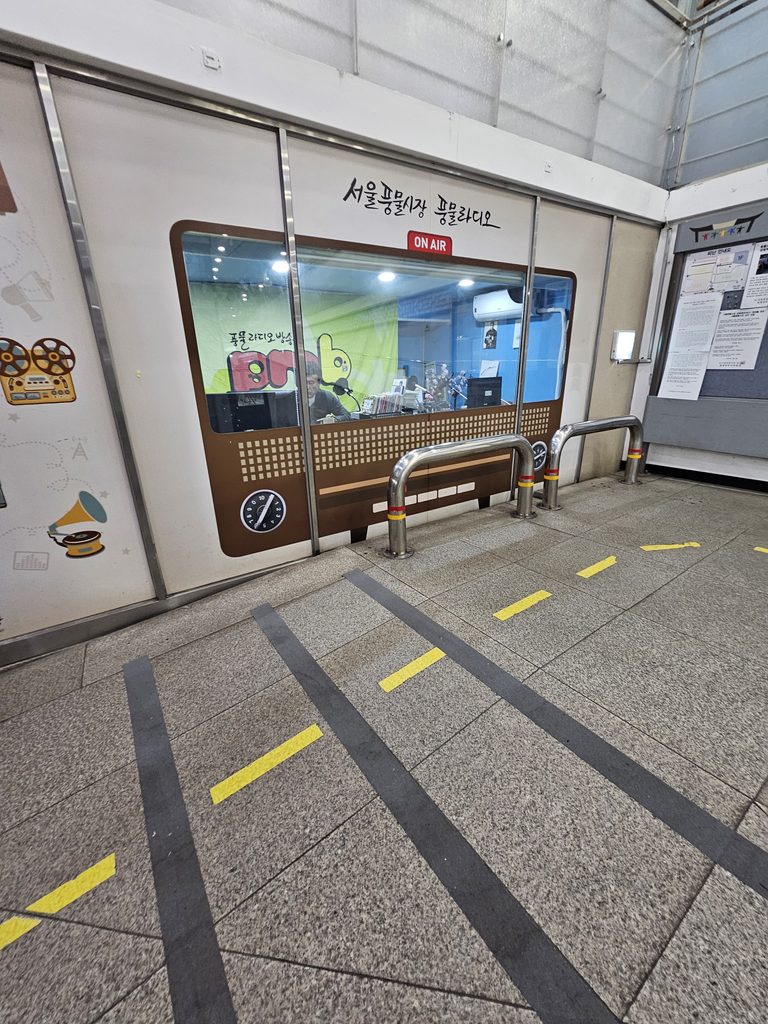
It caught my attention because I wasn’t expecting to find something called a radio station inside a flea market.
I only stopped briefly, so I didn’t see a broadcast or spend enough time there to explain exactly how it operates.
But it was another one of those small details that made the market feel different from an ordinary shopping space.
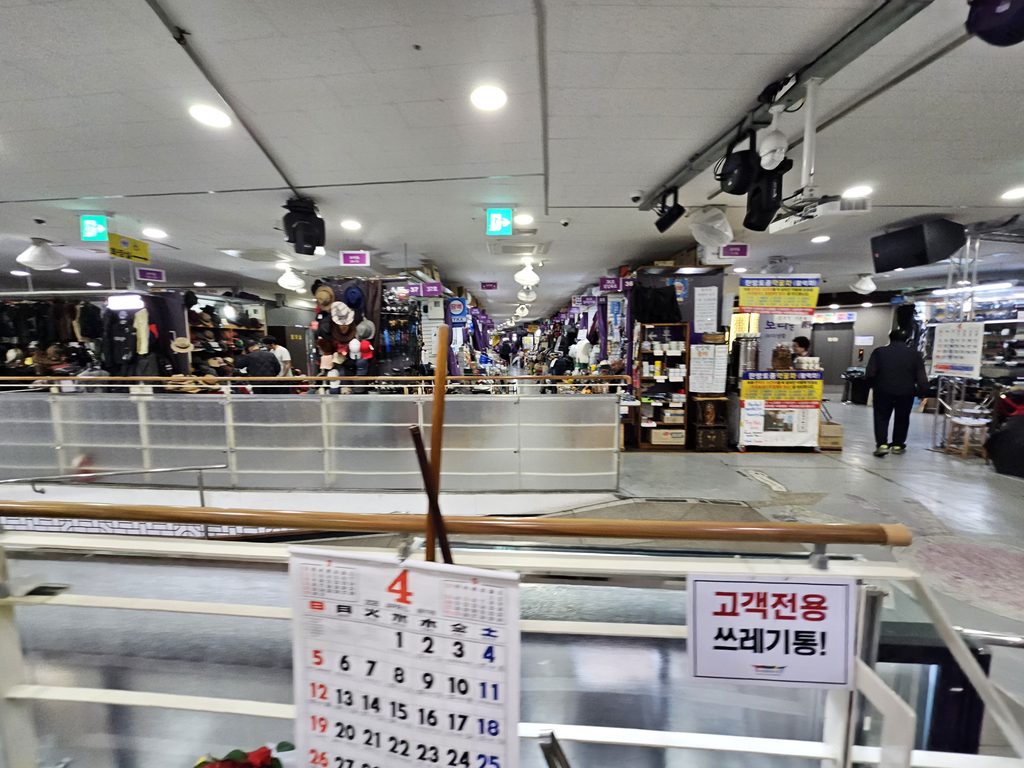
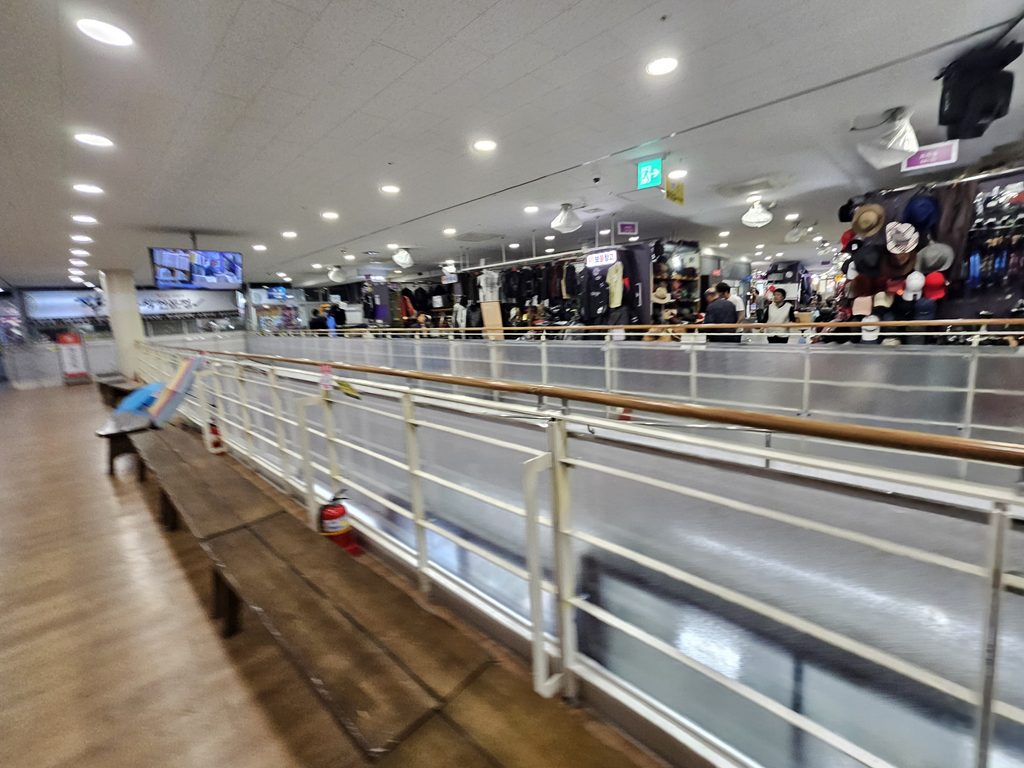


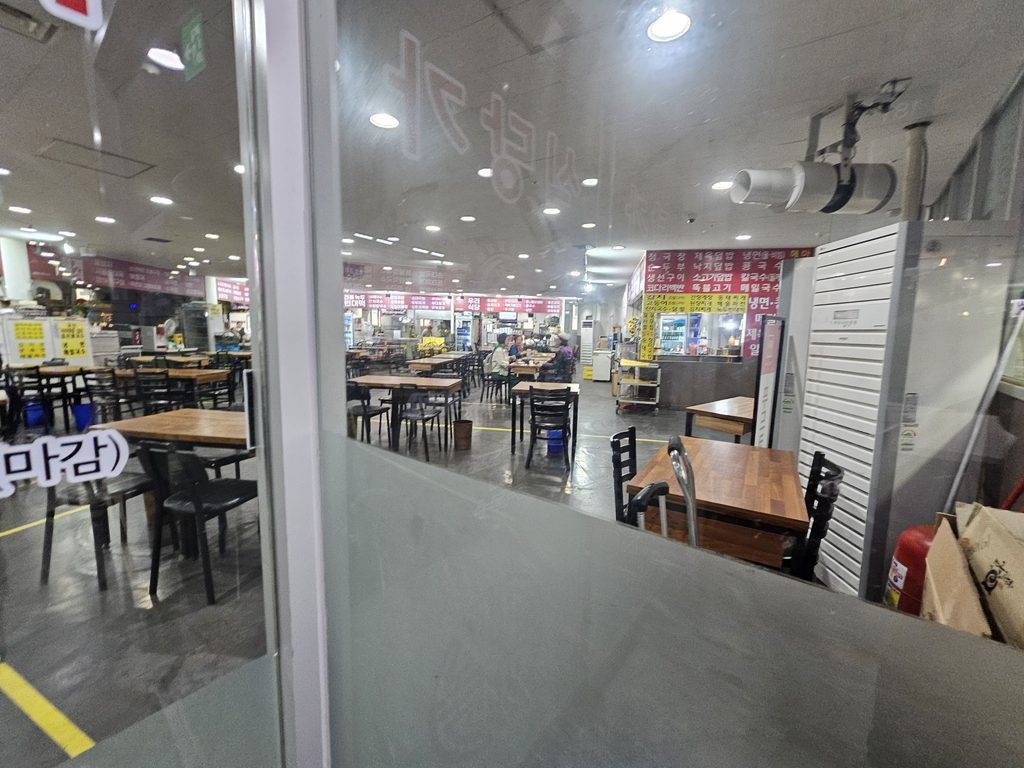
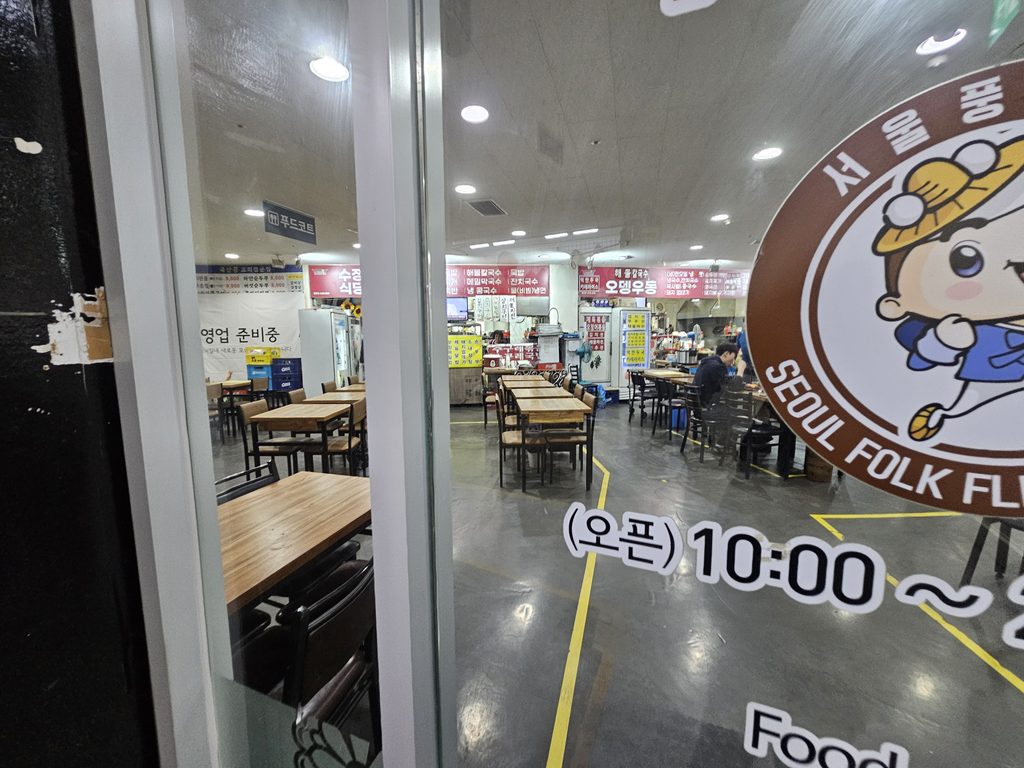

There were more shops upstairs, along with the market’s restaurant area.
The second floor includes more everyday goods and other shops, while the food area gives visitors somewhere to stop and eat during a longer visit. Seoul’s current information lists the market itself as closing at 7:00 PM, while the restaurant section can stay open until 10:00 PM.
I had already eaten lunch before coming to the market, so I didn’t try any of the food this time.
I wouldn’t mind coming back another day specifically to look around the second floor more slowly and have a meal here.
Since I didn’t eat at any of the restaurants during this visit, I’ll leave the food itself for another time.
Some Things Are Hard to Identify
One of the more interesting objects I came across looked like it might have been made from ivory.
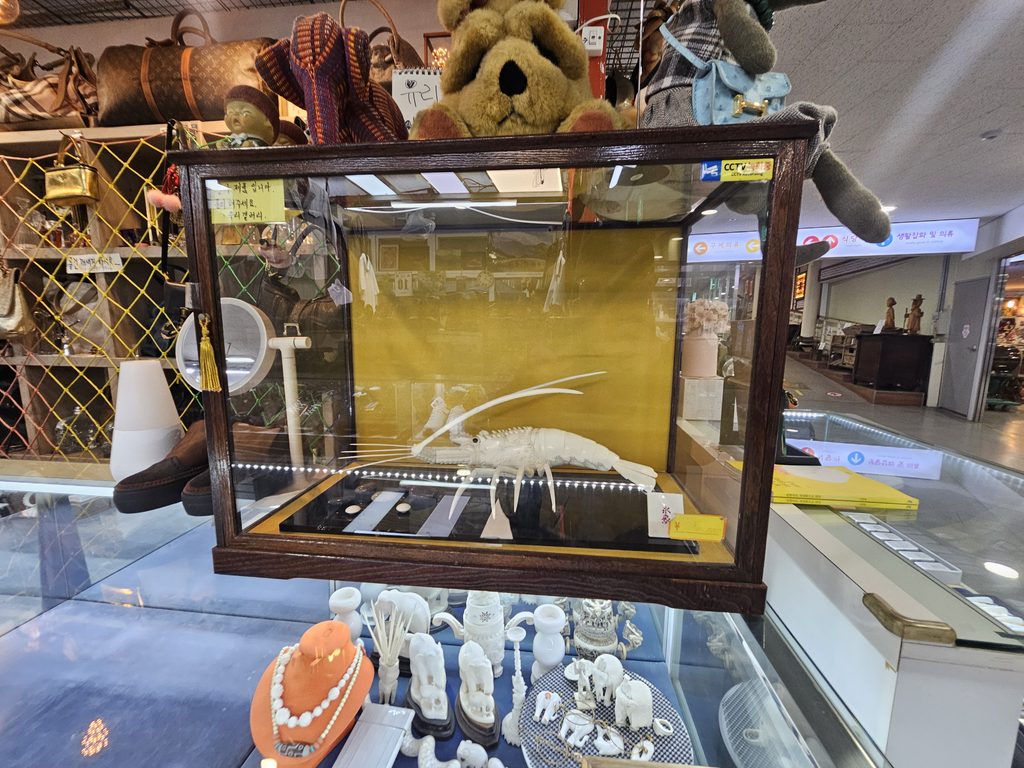
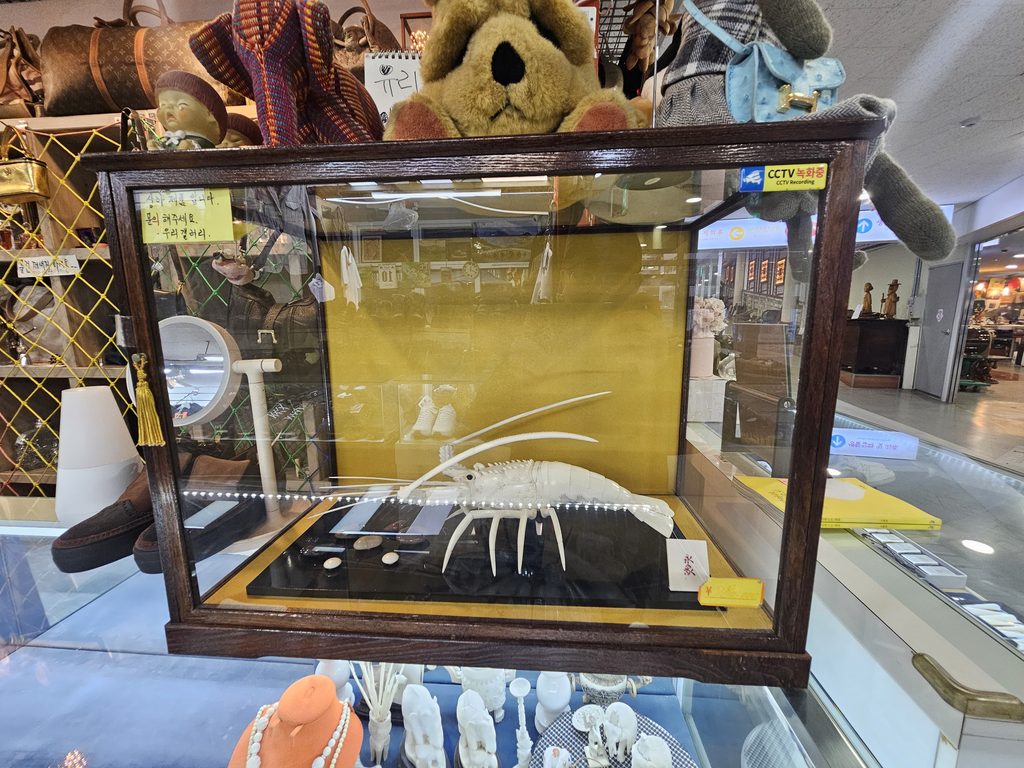

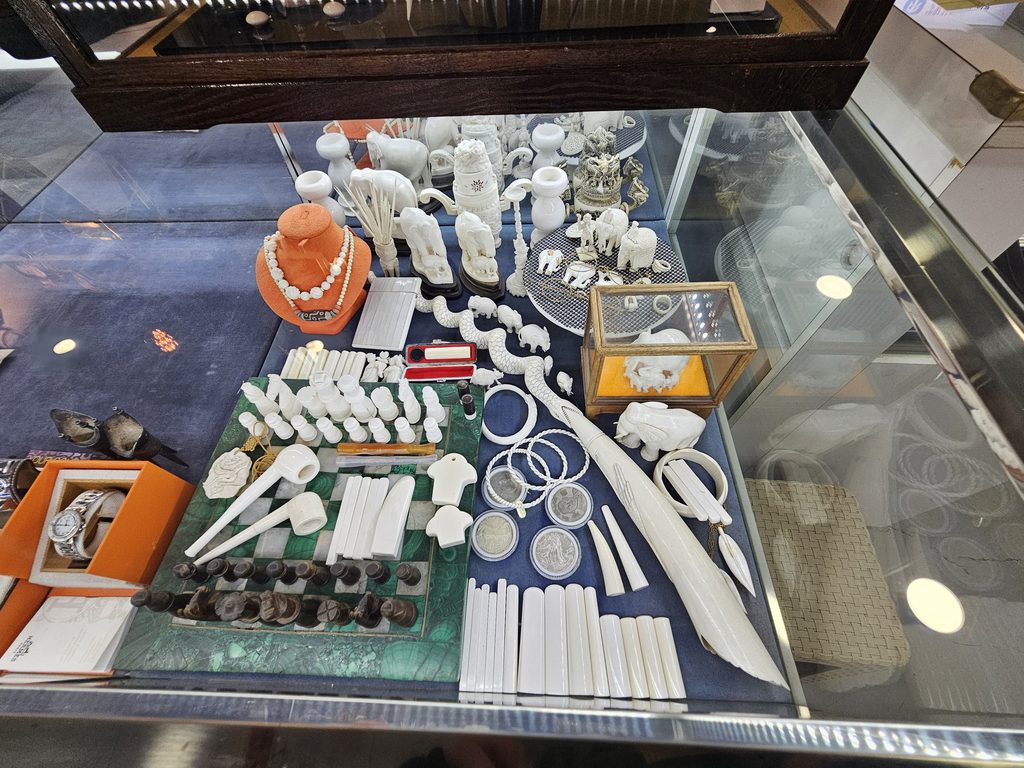
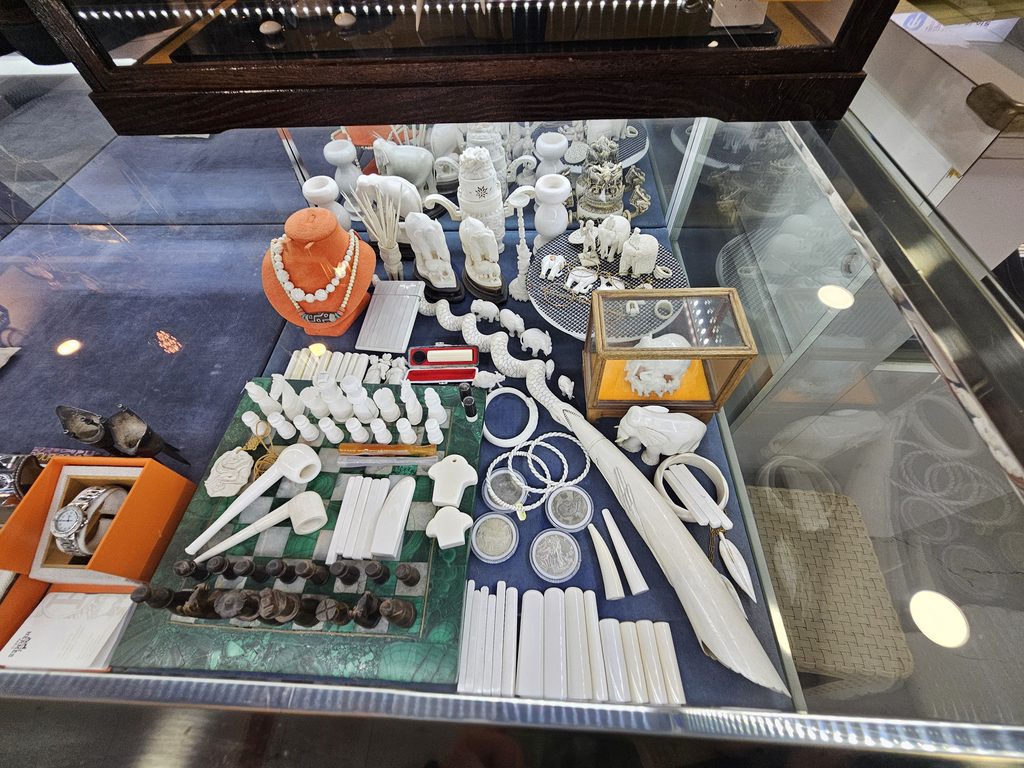
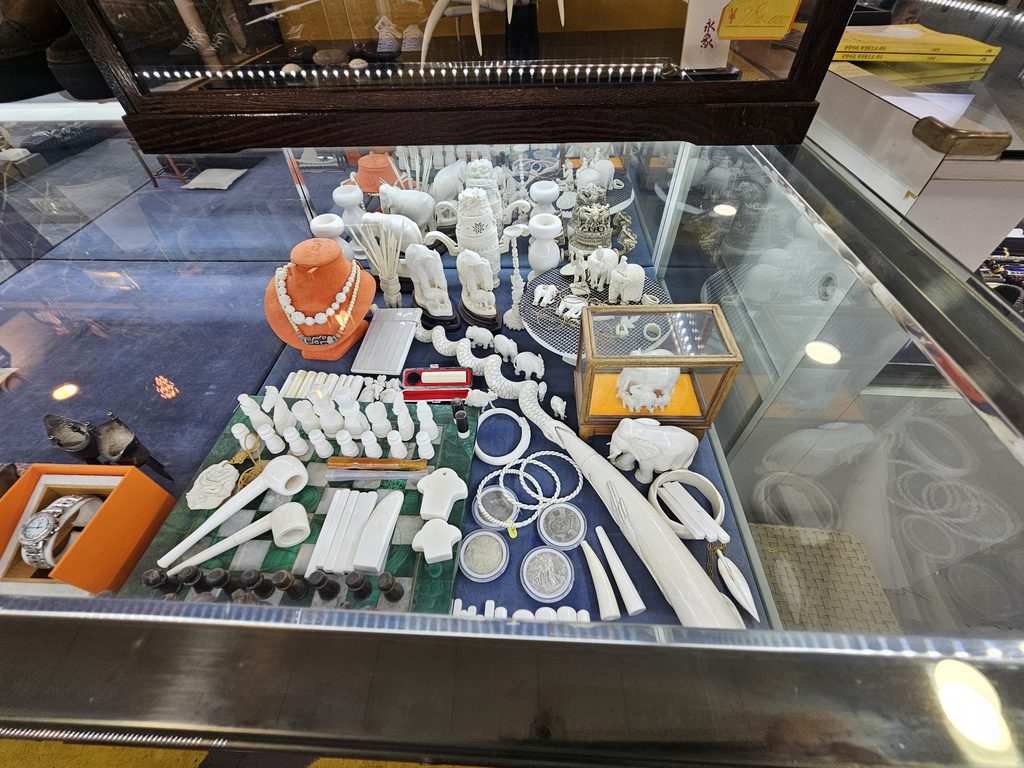
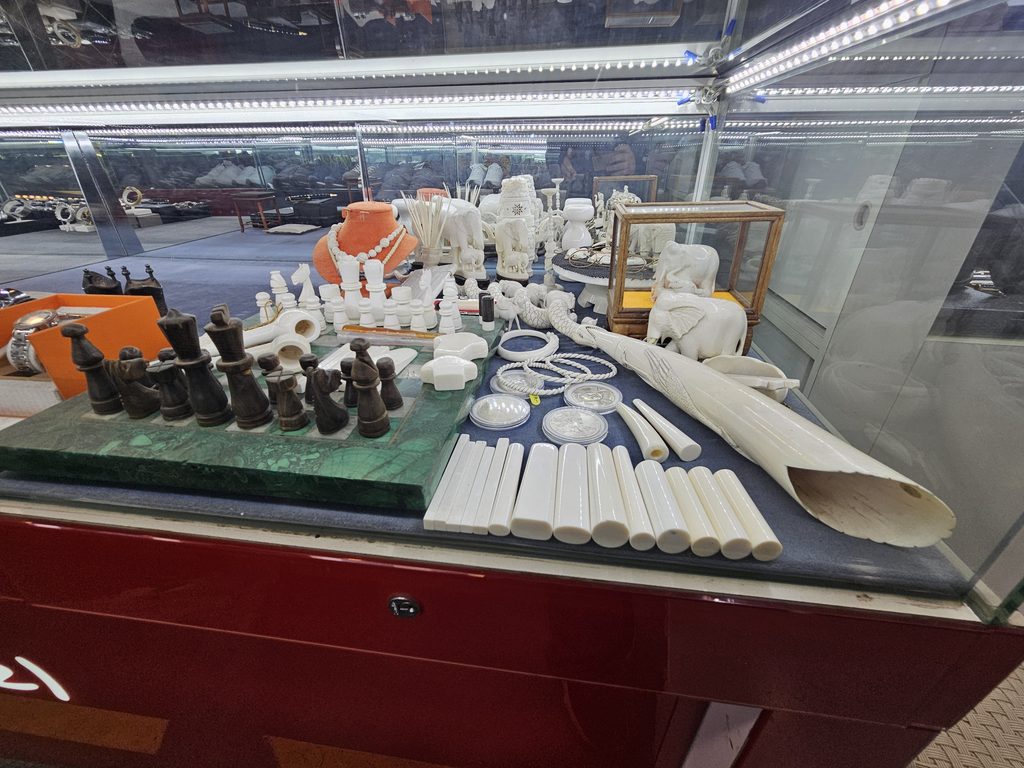
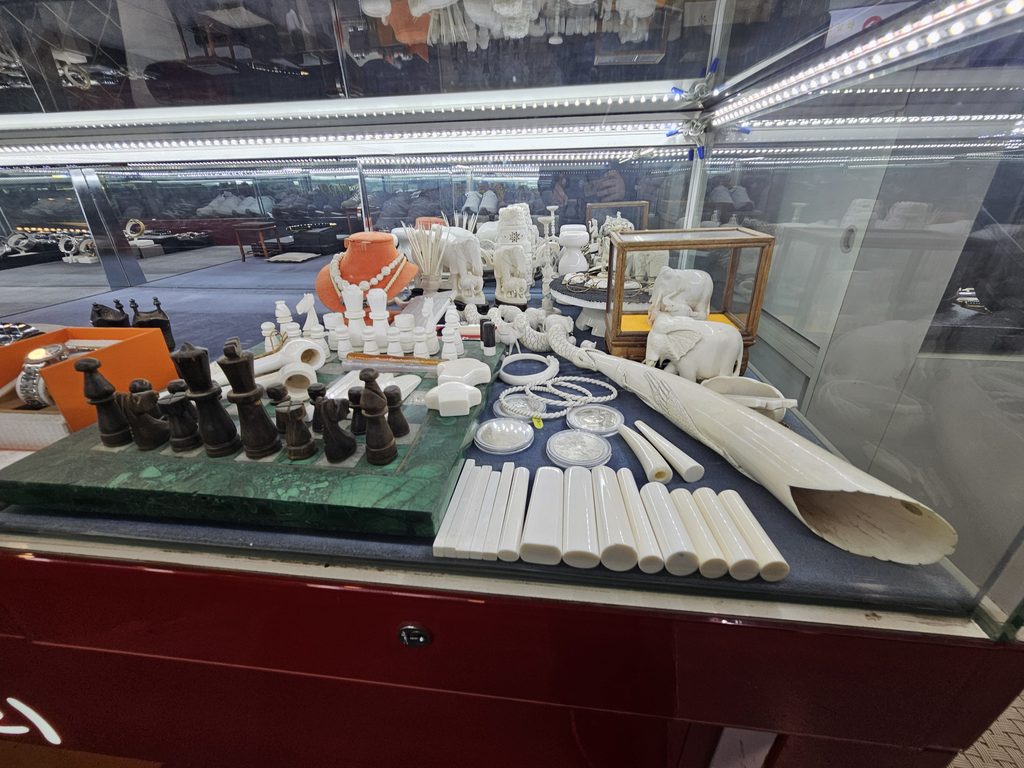
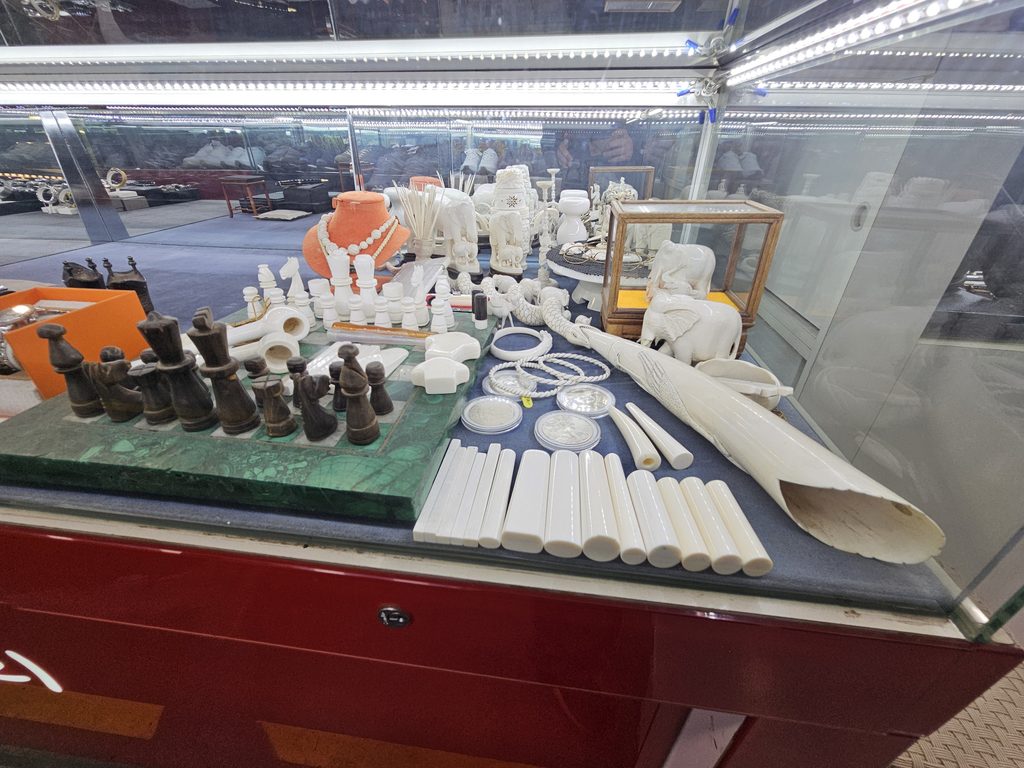
I honestly don’t know whether it was real ivory, a different material, or simply something made to look like it.
There was no reason for me to assume it was genuine just from looking at it.
But it definitely caught my eye.
I didn’t ask the price either, so I have no idea how much the seller wanted for it.
And that was another part of the experience here.
You don’t always know exactly what you are looking at.
Sometimes you just stop because something looks unusual.
Why I Enjoy Walking Around Markets Like This
I didn’t come to the Seoul Folk Flea Market looking for anything specific.
And I think that actually made the visit more enjoyable.
There was no shopping list and no particular antique I wanted to find.
I just walked.
Some stalls had things that reminded me of objects I had seen when I was younger, while others had items that seemed to belong to a completely different time.
The market has been in its current Sinseol-dong location since 2008, but the culture behind it stretches back through the old Hwanghak-dong flea market and the secondhand markets that developed around Cheonggyecheon.
That history is still visible in the sheer variety of things piled into the shops.
If you enjoy antiques, vintage goods, old electronics, secondhand objects, or simply places that feel very different from Seoul’s modern shopping malls, it’s an interesting place to wander around for a while.
Seoul Folk Flea Market Location
Seoul Folk Flea Market (서울풍물시장)
Address:
21 Cheonho-daero 4-gil, Dongdaemun-gu, Seoul, South Korea
Korean Address:
서울특별시 동대문구 천호대로4길 21
Nearest Station:
Sinseoldong Station
The official Seoul tourism guide currently recommends Sinseoldong Station Exit 9, with the market about 350 meters away.
Phone:
+82 2-2232-3367
Opening Hours
Current official Seoul tourism information lists the market as:
Wednesday – Monday
10:00 AM – 7:00 PM
Tuesday
Closed
The restaurant area is listed separately and can operate until:
10:00 PM
Opening hours for individual shops and facilities inside the market may vary.
I had been to Seoul Folk Flea Market before, but this was the first time I spent the visit taking photos and really looking around at the individual stalls.
There were far more things to see than I remembered.
Some were ordinary secondhand items, some were genuine pieces of everyday history, and some were objects I couldn’t even identify.
That is probably the appeal of the place.
You don’t really know what you are going to find until you start walking.